
Practical Ways to Manage Everyday Stress
Everyday strategies for managing ordinary stress, plus clear guidance on when and where to reach out for support.
Read article
Sleep affects how we feel, think and cope day to day. While some sleep problems need professional help, many people can benefit from a few consistent everyday habits.
Published: Last reviewed:

The Canadian 24-Hour Movement Guidelines recommend that adults aged 18–64 get 7 to 9 hours of good-quality sleep on a regular basis, with consistent bed and wake-up times. A Public Health Agency of Canada infographic cites 7 to 9 hours for adults 18–64 and 7 to 8 hours for adults 65 and older.
Going to bed and getting up at about the same times each day, including weekends, is one of the most commonly recommended sleep habits.
The Public Health Agency of Canada suggests limiting alcohol, caffeine and nicotine in the hours before bedtime.
A calming routine in the 30–60 minutes before bed can signal that it’s time to rest. Ideas: dim the lights, read, stretch gently, take a warm shower, or try a relaxation or mindfulness exercise. Relaxation and mindfulness techniques to manage stress are among PHAC’s sleep suggestions. Practical ways to manage everyday stress.
Regular physical activity is also on PHAC’s list of sleep tips. Getting outside during the day and keeping naps short may help some people. How to build a sustainable exercise routine.
PHAC suggests regularly reviewing your medications with your doctor or pharmacist, since some can affect sleep. Don’t stop or change a medication without professional advice.
Talk to a doctor or nurse practitioner if poor sleep is affecting your daily life, if it continues for several weeks, or if you (or a partner) notice loud snoring, gasping or pauses in breathing during sleep, or extreme daytime sleepiness. These can have causes that need assessment.
Links were checked on 28 October 2026. External sites may change their content.

Written by the PreppingForHealth.ca editorial team. Reviewed against the sources listed above. Named author and professional reviewer details will be added only when verified. Author to confirm
Everyday strategies for managing ordinary stress, plus clear guidance on when and where to reach out for support.
Read article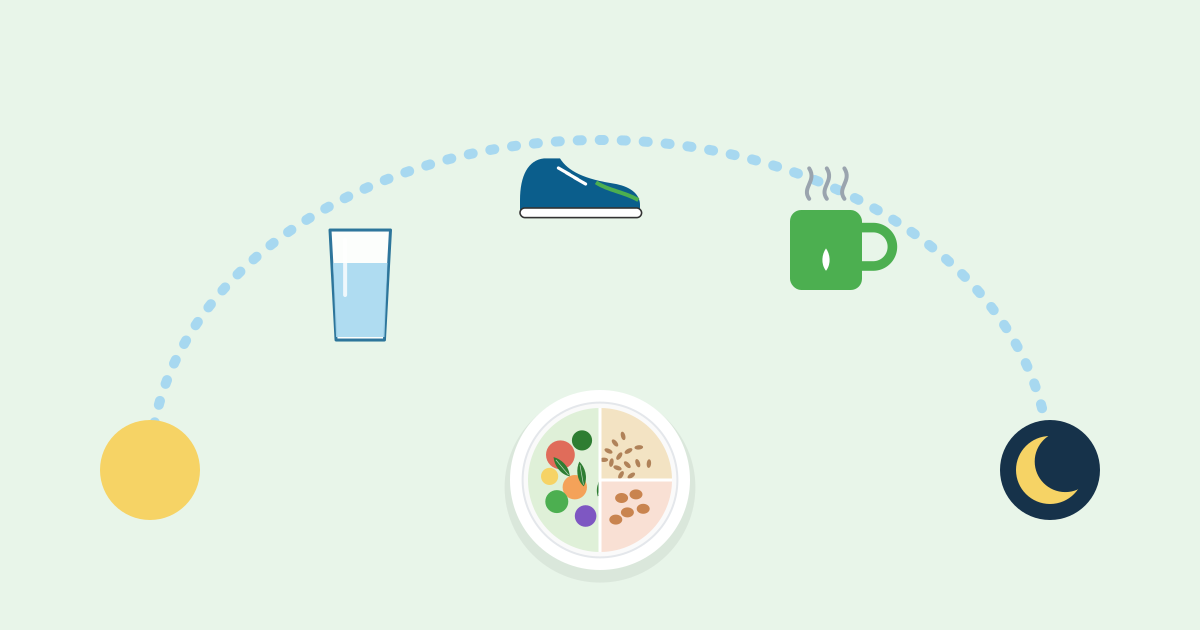
Bring food, movement, sleep and downtime together into a simple weekly routine that fits your life — and adjust it as you go.
Read article
Ten small, realistic habits — from drinking water to moving more and winding down at night — that can fit into a busy week.
Read article