A Beginner’s Guide to Balanced Eating
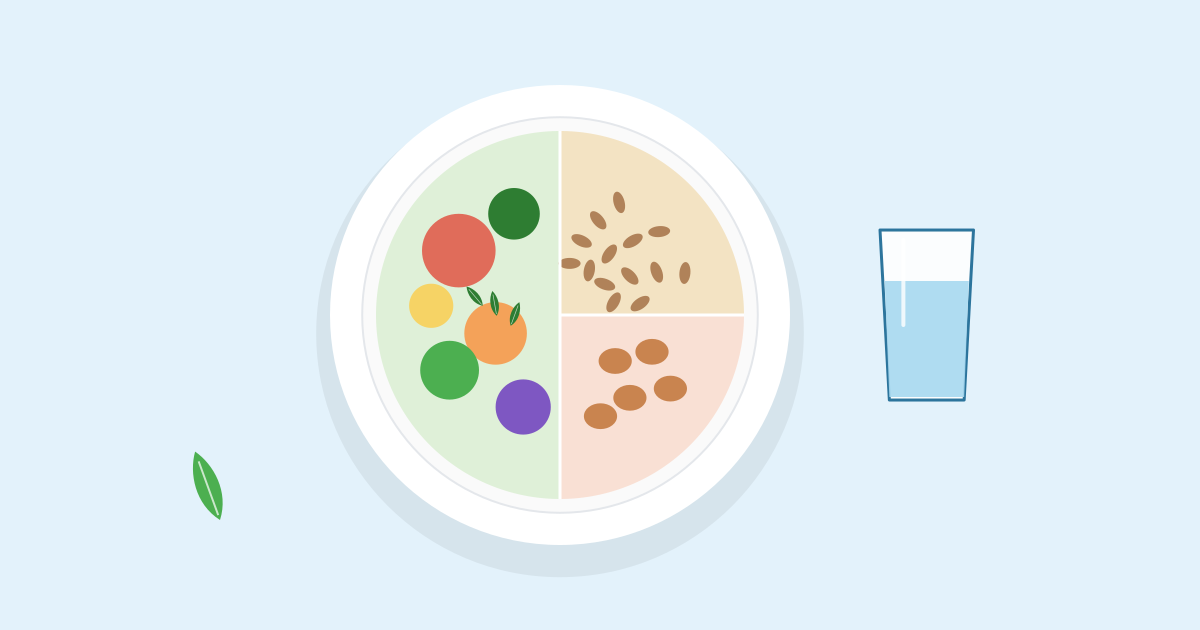
What balanced eating looks like in practice, using the Canada’s food guide plate: vegetables and fruits, whole grains and protein foods.
Read article
Clear explanations and everyday examples to help you eat well — without strict rules or individual diet plans.
Special dietary needs? This page offers general information for healthy adults. If you have a medical condition, food allergies or intolerances, pregnancy-related needs, an eating disorder or other specialised dietary requirements, please get personalised guidance from your doctor, nurse practitioner or a registered dietitian.
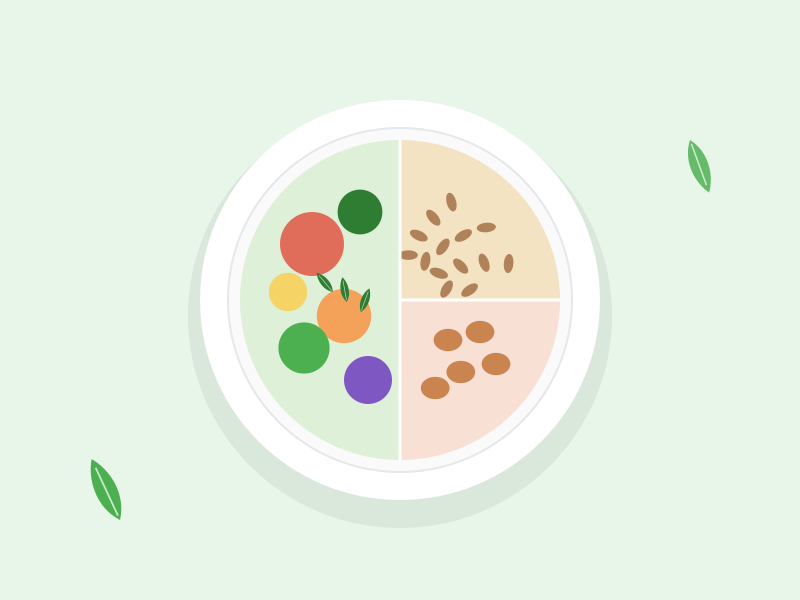
Balanced eating means regularly eating a variety of healthy foods, rather than following strict rules. Canada’s food guide uses a simple plate to show the proportions:
Choose plant-based protein foods more often, make water your drink of choice, and limit highly processed foods. The plate is a guide for most meals, not a rule you must follow every time.
A beginner’s guide to balanced eatingSource: Health Canada. Use Canada’s food guide plate to make any meal (video).; Health Canada. Food guide snapshot. Canada’s food guide.
Ideas only — adapt them to your tastes, culture, budget and any dietary needs.
No single food provides everything you need. Eating a range of different vegetables, fruits, whole grains and protein foods across the week helps you get a broad mix of nutrients — and keeps meals interesting.
Source: Health Canada. Healthy eating recommendations. Canada’s food guide.
Healthy eating can include the foods you grew up with. Canada’s food guide encourages enjoying your food and considering how culture and traditions fit into healthy eating.
Planning ahead can help you make healthier choices, save time and money, reduce food waste and cook more often. Health Canada breaks it into four steps:
Source: Health Canada. Meal planning from start to finish in 4 steps. Canada’s food guide.; Health Canada. Plan what you eat. Canada’s food guide.
Canada’s food guide recommends making water your drink of choice. Water hydrates without adding calories, sodium, sugars or saturated fat. Your body loses water through sweating, breathing and waste, so it needs to be replaced.
There’s no single amount that suits everyone — needs depend on things like activity, climate and health. If you’ve been told to limit fluids for a medical reason, follow your provider’s advice.
The importance of staying hydratedSource: Health Canada. Make water your drink of choice. Canada’s food guide.
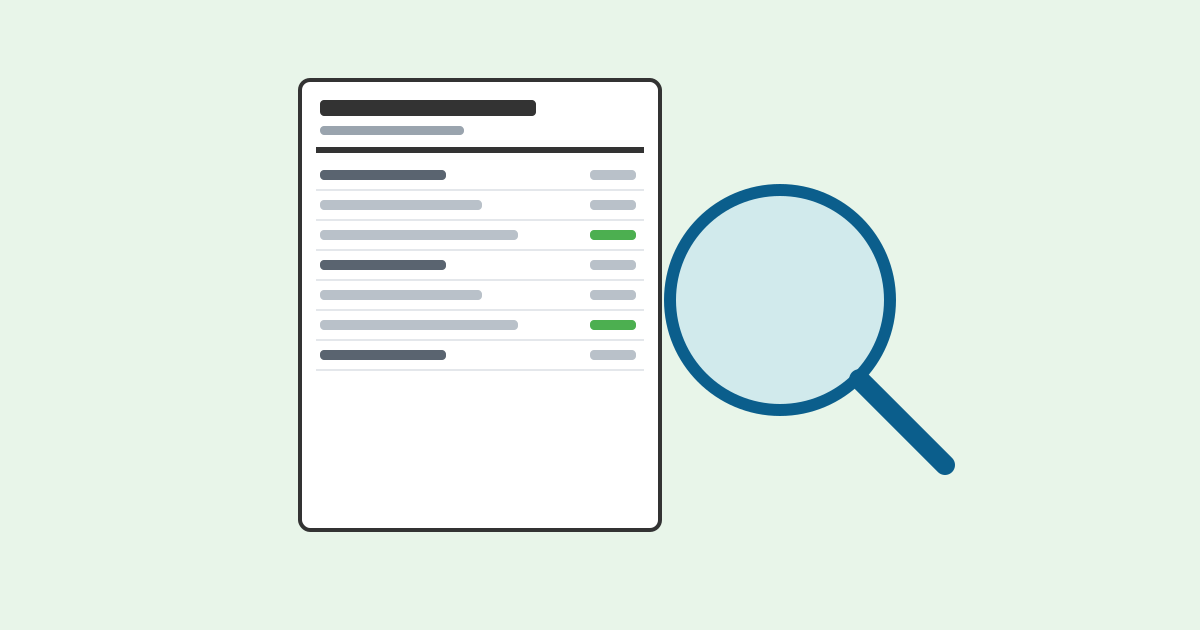
The Nutrition Facts table helps you compare foods. Start with the serving size, then use the % Daily Value:
Choose less sodium, sugars and saturated fat, and more fibre, calcium, iron and potassium. Many packaged foods high in saturated fat, sugars or sodium now display Health Canada’s front-of-package magnifying-glass symbol.
Understanding nutrition labelsSource: Health Canada. How to use food labels to make healthier choices. Canada’s food guide.; Health Canada. Nutrition labelling: Front-of-package nutrition symbol.
Eating well doesn’t have to be expensive. Health Canada’s tips for healthy eating on a budget include:
Source: Health Canada. Healthy eating on a budget. Canada’s food guide.
Plan meals around what you already have, use leftovers, and freeze foods like bread, fruit and vegetables before they spoil.
Trusted, free resources from Health Canada.
What balanced eating looks like in practice, using the Canada’s food guide plate: vegetables and fruits, whole grains and protein foods.
Read articleHow to read the Nutrition Facts table, use % Daily Value, check the ingredient list and spot Canada’s front-of-package symbol.
Read article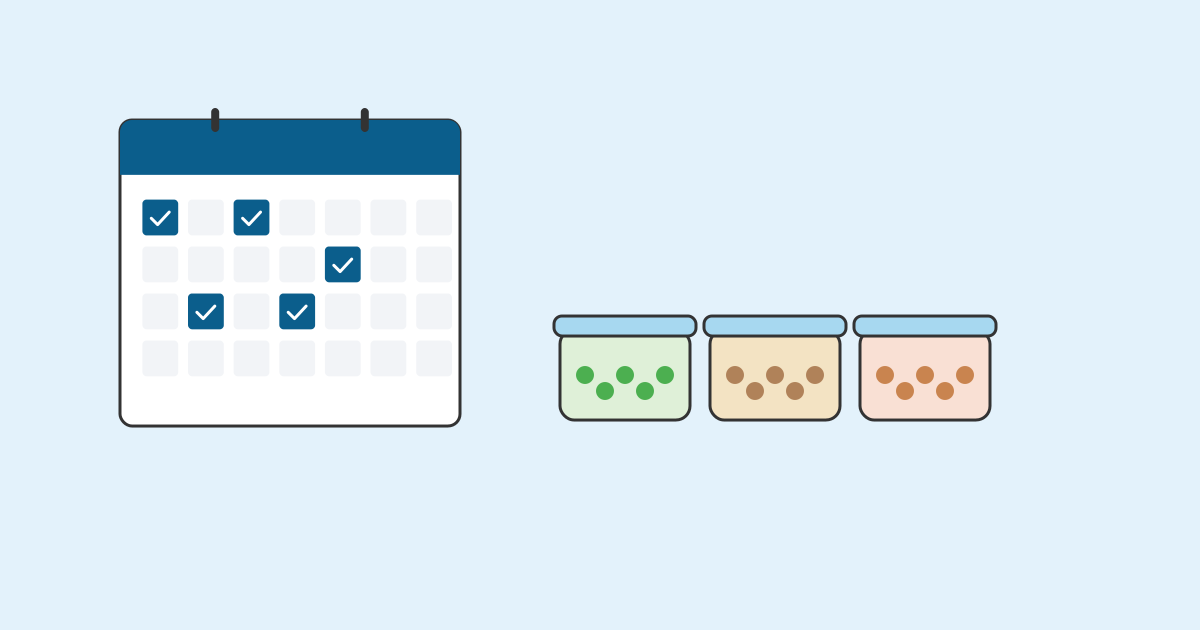
A four-step approach to planning meals, writing a grocery list and saving time and money during a busy week.
Read articleExplore practical guides on movement, sleep, stress and healthy habits.